A friendship wobble. When an argument lingers.
An argument at lunch. The next day, a friend sits with someone else. For a child, the not knowing can be the hardest part. This visual story makes room for those feelings without deciding how the friendship has to end. It gives a child gentle ways to wait, reach out or ask a trusted adult for help.
Last updated: October 2026
Processing an Argument.
This is a sample story made for an example child and her friend Rubie — not a parent's private story. Watch the playable video or download the 9-page PDF to see all eight scenes. For your own story, you can use your child's name and add a photo or build an avatar.
Read the full sample story
Processing an Argument
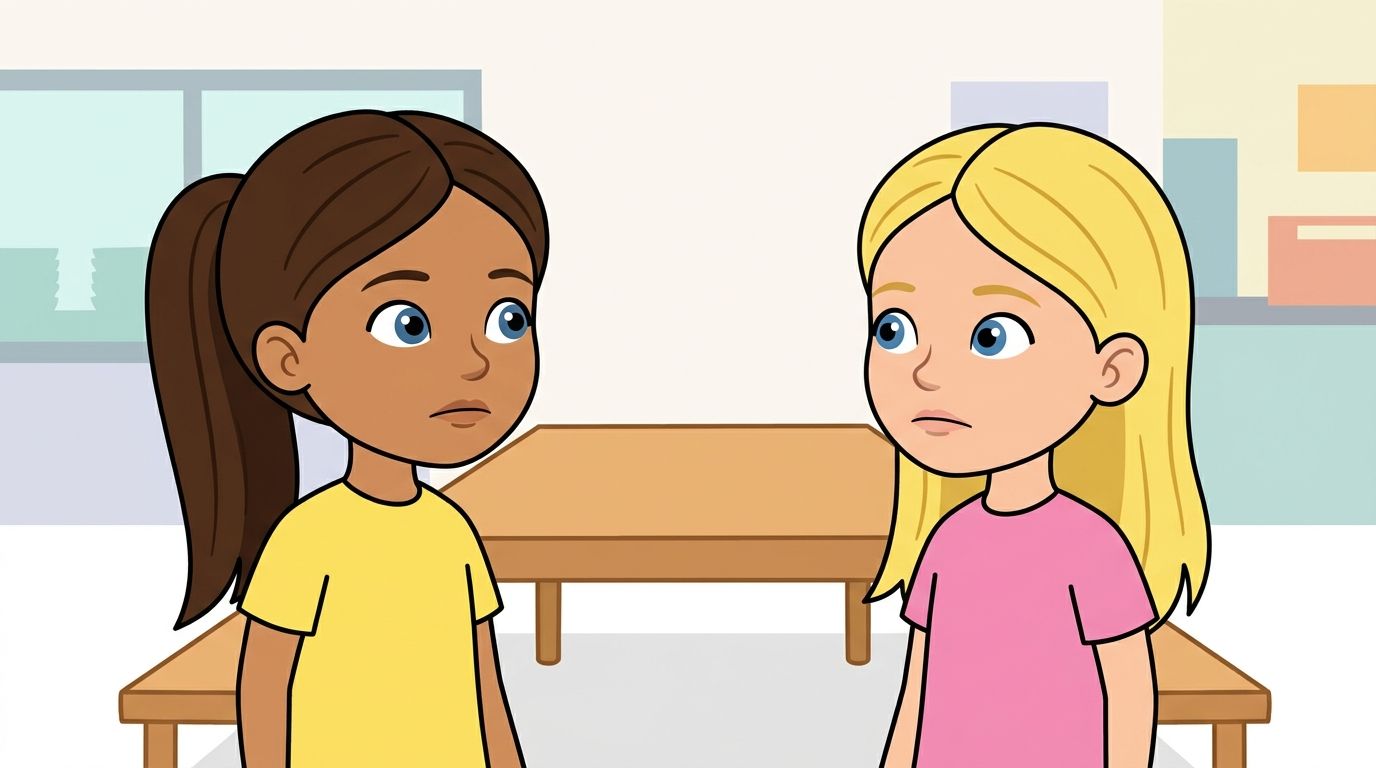 Scene 1 of 8
Rubie and I had an argument during lunch on Wednesday.
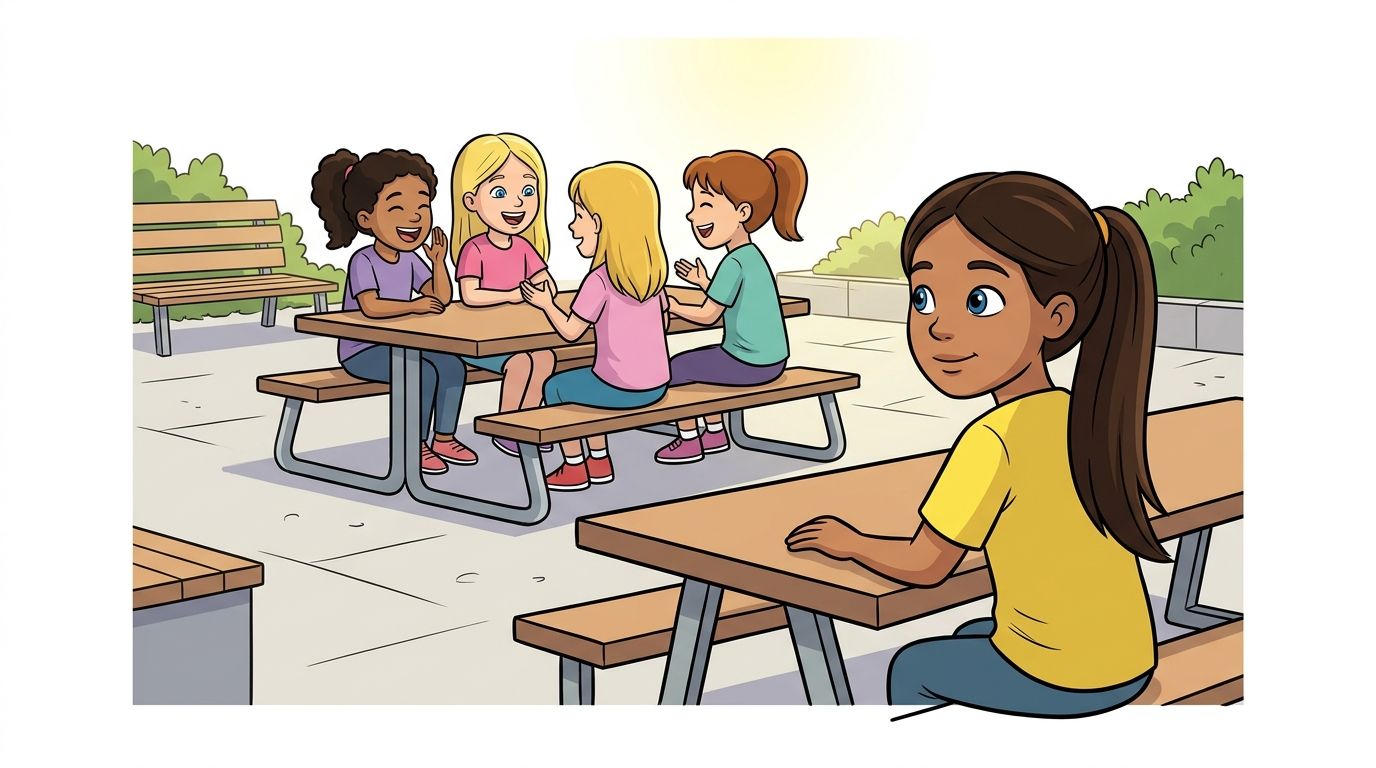 Scene 2 of 8
Since then, Rubie has been sitting with a different group of girls.
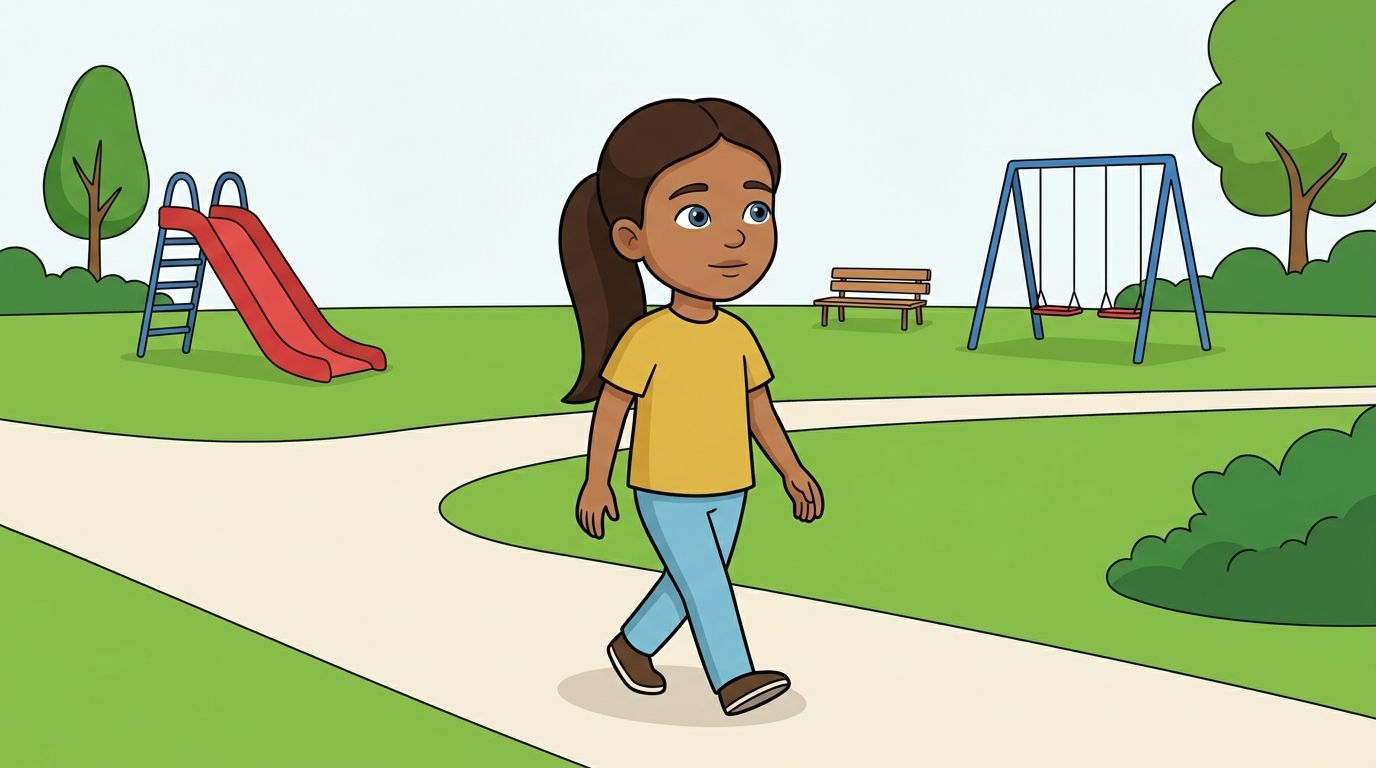 Scene 3 of 8
Many people feel nervous about being ignored after a disagreement, and that is okay.
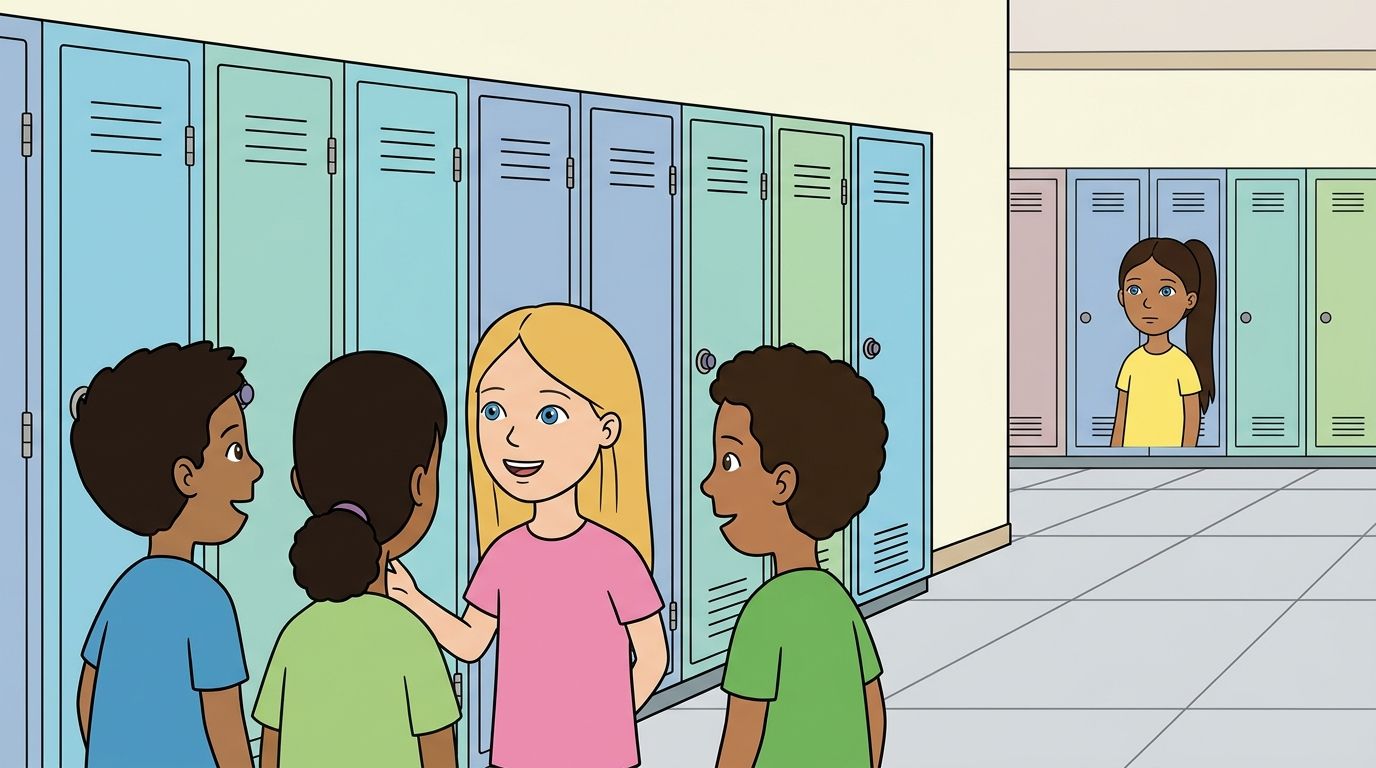 Scene 4 of 8
Friends might spend time with other people while they process their feelings.
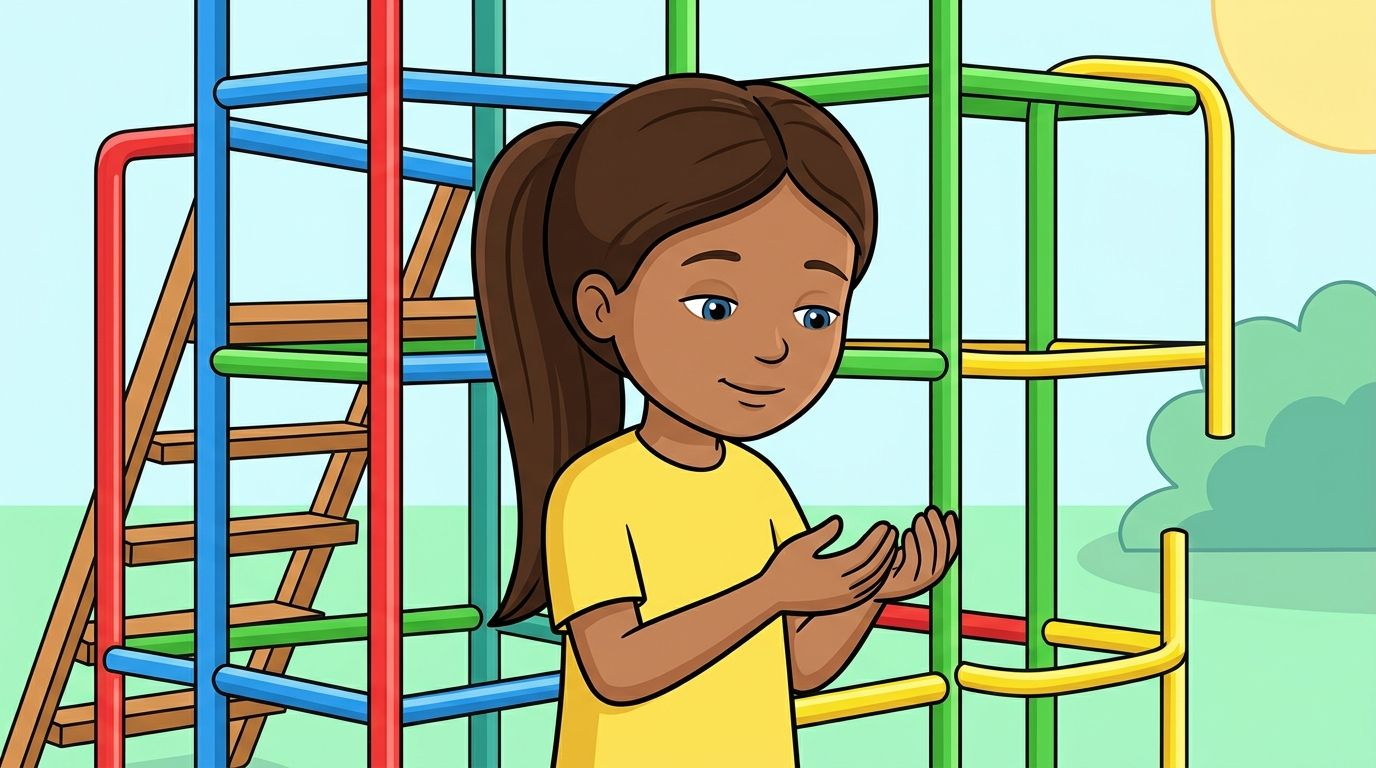 Scene 5 of 8
I am in charge of my own words, but not in charge of Rubie.
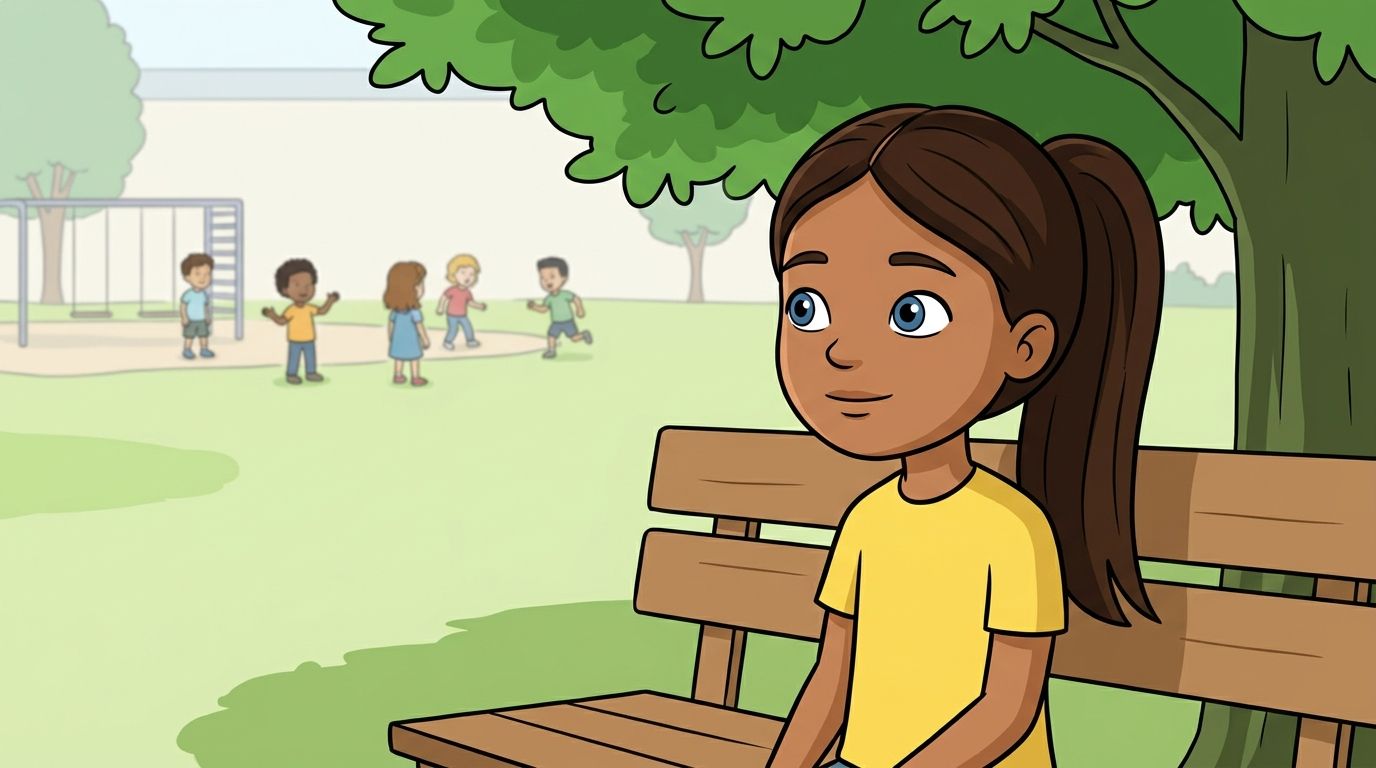 Scene 6 of 8
I might wait until I feel ready before I try talking to Rubie again.
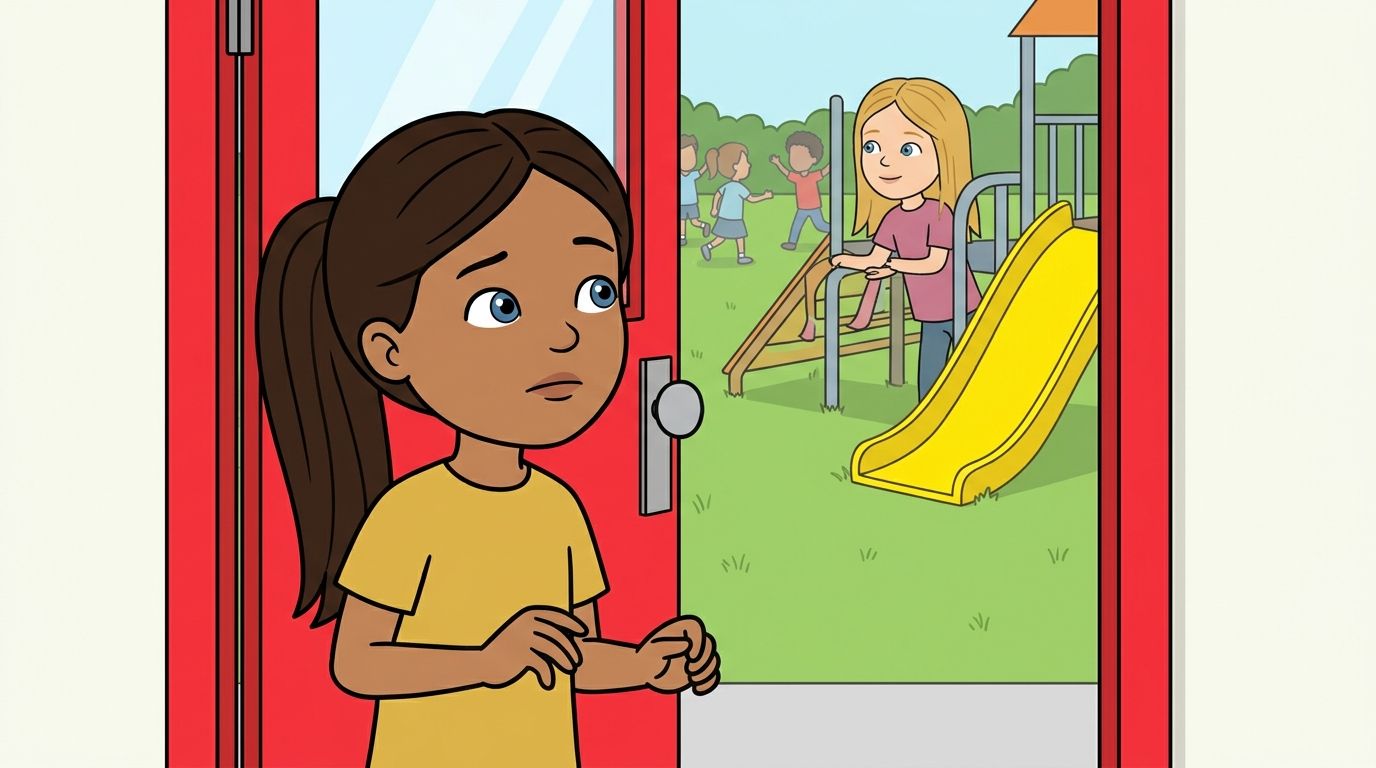 Scene 7 of 8
I can choose to ask Rubie if she is ready to talk or play.
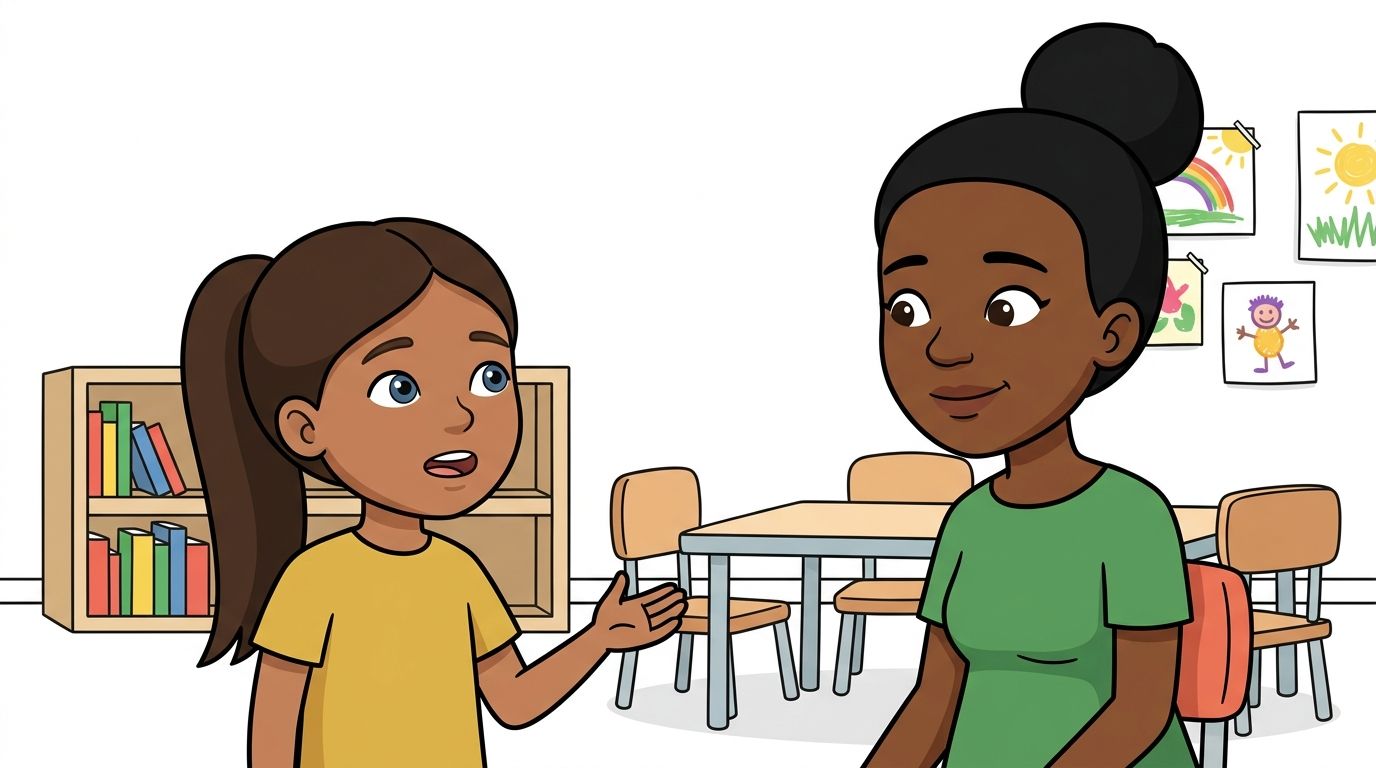 Scene 8 of 8
Talking to a trusted adult is one way to share how I feel.
A story that makes room for both feelings.
- 1
Name what happened without deciding who was right or wrong. A friendship wobble can feel big without anyone being the villain.
- 2
Notice the uncertainty. Seeing a friend sit elsewhere can feel hard even when we don't know why they chose to.
- 3
Make space for both children's feelings. A pause doesn't have to mean the friendship is over.
- 4
Offer choices rather than a script: wait until ready, ask if they're ready to talk, or speak to a trusted adult.
- 5
Leave the ending open and honest. Children can choose their own words, but they can't control a friend's response.
Little ways to talk it through.
There is no need to rush toward a tidy ending.
Choose a quiet time to read, away from the rush of the school day.
Let your child tell you which part sounds familiar, without asking them to explain everything at once.
Name a trusted adult they could talk to at school or at home.
Make room for a pause if your child isn't ready to talk to their friend yet.
Make this story your child's own.
Use their name and the details of their day. Add a photo or build an avatar. Your first story is free.
Create our friendship story →Other stories parents have used.
A visit to the dentist
Bright lights, strange smells, hands in their mouth — rehearsed before the appointment.
Read the guide →A visit to the doctor
Height charts, stethoscopes and ear lights — walked through in an illustrated story.
Read the guide →First day at a new classroom
New teacher, new room, new bag hooks — the whole first morning previewed the night before.
Read the guide →A morning at the hair salon
The chair, the cape, the buzz of the clippers — each sensory surprise named in advance.
Read the guide →